
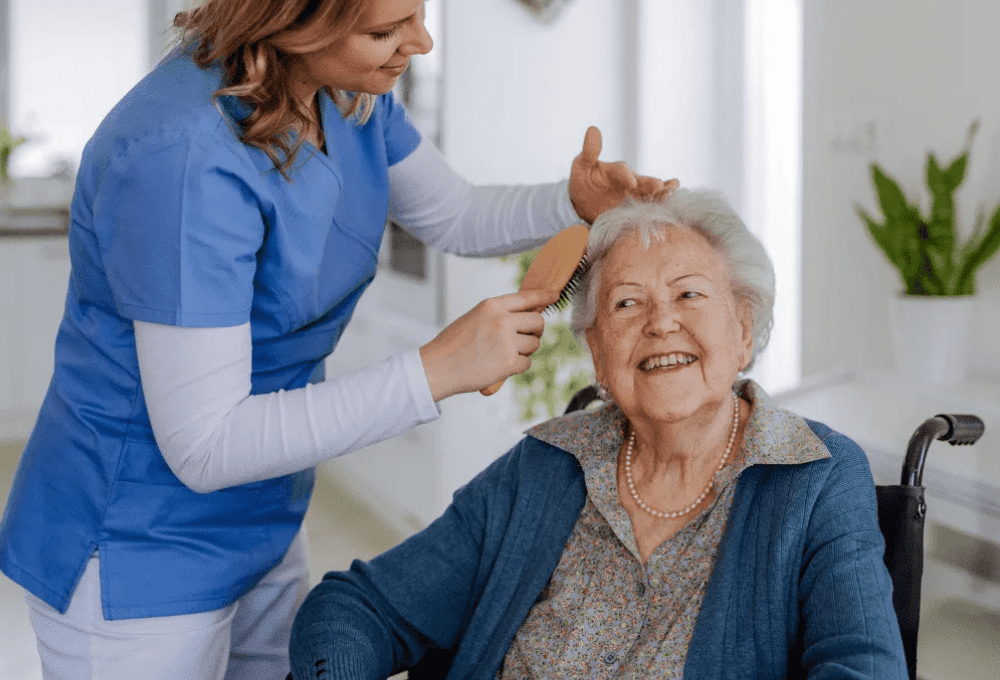
Elderly Care: A Guide to Aging at Home
January 11th, 2026aging in place, Caregiver Agency, Elderly Care At Home,
Caring for an aging parent or loved one at home can be both deeply rewarding and emotionally overwhelming. Families across Connecticut and Florida often want to honor a senior’s wish to remain in familiar surroundings, but they need practical strategies and reliable support to make that possible in a safe and sustainable way. This guide walks through the core elements of elderly care at home so families can build a thoughtful plan that balances independence, safety, and dignity.
At-home senior care is not just about preventing problems; it is about creating a daily environment that supports physical health, emotional well‑being, and social connection. With the right mix of family involvement and professional homecare support, many older adults can comfortably age in place rather than move into institutional settings.
What elderly care at home really involves
Elderly care at home covers a wide spectrum of practical and emotional tasks that help seniors stay safe and comfortable while remaining in their own homes. It may begin with a few hours a week of help with chores or meal preparation and gradually grow into more comprehensive support with personal care and mobility assistance.
Common elements of elderly care at home include:
– Assistance with activities of daily living (ADLs) such as bathing, dressing, grooming, and toileting.
– Help with instrumental activities of daily living (IADLs) like light housekeeping, laundry, shopping, and meal planning.
– Medication reminders, appointment coordination, and basic wellness monitoring to catch changes early.
In Connecticut and Florida, many families turn to non medical home care providers when they see a loved one struggling with routine tasks or becoming more isolated. A trained caregiver can offer both practical help and compassionate companionship that family members may not be able to provide consistently because of work, distance, or other responsibilities.
Why aging in place matters to seniors
Most seniors strongly prefer to remain in their own homes as they age, surrounded by familiar routines, neighbors, and memories. This preference—often called aging in place—supports a sense of identity and control, which can be especially meaningful when health issues or mobility changes start to limit other aspects of life.
Remaining at home can promote:
– Emotional comfort by preserving cherished belongings, photos, and daily habits.
– Social continuity with neighbors, faith communities, and local services seniors already know.
– Greater flexibility in tailoring care, from a few hours per week to live in caregiver services for those who need 24/7 support.
However, successful aging in place requires planning, honest conversations, and sometimes professional help. Without a plan, families may find themselves reacting in crisis instead of proactively managing changing needs.
Building a safe home environment for seniors
Before adding more care hours, it helps to evaluate the home itself for potential risks. Many preventable injuries in older adults are related to trips, slips, and poor lighting. A room‑by‑room safety check can dramatically reduce fall risk and increase confidence for seniors and families
Key home safety steps include:
– Removing loose rugs and clutter from walkways to make it easier to use canes, walkers, or wheelchairs.
– Adding grab bars in bathrooms, non‑slip mats in tubs or showers, and nightlights in hallways and bedrooms.
– Ensuring stairways have sturdy handrails, good lighting, and clearly marked edges.
In some cases, simple equipment like raised toilet seats, shower chairs, or bed rails can make daily routines more manageable. A senior home care services provider can often help families identify hazards and suggest practical improvements during an in‑home assessment.
Supporting daily routines and independence
Consistent daily routines help seniors feel grounded and reduce anxiety, especially when memory or mobility changes are present. A structured day does not need to be rigid, but it should include regular times for meals, medications, rest, social interaction, and light activity that fits the person’s capabilities.
Caregivers can support independence by:
– Encouraging seniors to do as much as safely possible for themselves, even if it takes a bit longer.
– Prompting without taking over, such as laying out clothing or preparing items for grooming while allowing the senior to complete tasks.
– Incorporating meaningful activities—like reading, simple hobbies, or phone calls with family—into the daily schedule.
The goal is to preserve abilities, not to rush through tasks. When seniors feel respected and involved in decisions, they are more likely to accept help and stick with healthy routines.
The emotional side of elderly care at home
Elderly care is as much about emotional and social support as it is about physical assistance. Loneliness and isolation can increase the risk of depression, cognitive decline, and even physical illness in older adults. Regular senior companionship services can be a powerful antidote by providing conversation, shared activities, and a reliable presence.
Families in Connecticut and Florida often notice that a loved one “brightens up” when a familiar caregiver arrives. Over time, caregivers may become trusted companions who:
– Listen to stories, share meals, and celebrate milestones and holidays.
– Encourage light exercise, walks, or safe outings when appropriate.
– Watch for subtle changes in mood or behavior that may signal health concerns.
This relational dimension is one reason many families choose homemaker companion agency support instead of relying solely on quick task‑based visits. The right match between caregiver and client can significantly improve quality of life for both seniors and their families.
Hourly care vs live-in care
Not every senior needs the same level of support, so understanding the difference between hourly and live‑in care can help families choose the right fit. Hourly care can be ideal for those who are mostly independent but need help with specific tasks or times of day, while live‑in care provides continuous coverage for seniors who cannot safely remain alone.
– Hourly senior care may include a few hours in the morning for bathing, breakfast, and light housekeeping help with lunch and medication reminders in the afternoon, or evening support with dinner and bedtime routines.
– Live in caregiver services offer near‑constant presence for seniors with significant mobility limitations, cognitive changes, or high fall risk, providing support and companionship throughout the day and night.
The right approach often changes over time. Families might start with hourly support and transition to expanded schedules as needs grow, rather than making a sudden move to facility care.
When to bring in professional help
It can be hard to know when to move from informal family help to professional elderly care at home. Certain signs suggest it is time to explore formal support so that both seniors and caregivers remain safe and healthy.
Consider contacting a home care agency when:
– A loved one is missing medications, falling more often, or struggling with personal care.
– Family caregivers feel overwhelmed, burned out, or unable to balance work and caregiving.
– There are early signs of memory loss, confusion, or safety issues such as leaving the stove on.
Professional caregivers can complement—not replace—family involvement. Family members can continue to manage finances, medical decisions, or special visits while relying on trained caregivers for day‑to‑day support.
How Polish Care Services supports elderly care at home
Families in Connecticut and Florida can partner with Polish Care Services for flexible, compassionate support ranging from a few hours, overnight services, 24 hour care service, a week to full live in caregiver arrangements. Services typically include personal care, companionship, light housekeeping, transportation, and help with everyday routines, all tailored to the individual’s needs and preferences.
A local agency can:
– Conduct an in‑home assessment to understand safety risks, daily challenges, and goals.
– Match seniors with carefully screened caregivers who fit their personality, language, and cultural preferences when possible.
– Adjust care plans over time as needs change, ensuring that seniors continue to receive the right mix of independence and assistance.
By combining family involvement, a safe home environment, and professional senior home care services, many older adults can enjoy their golden years in the comfort of home while staying as independent and engaged as possible.
Credit Michelin Wright for Polish Care Services a Caregiver Agency for seniors and the disabled.
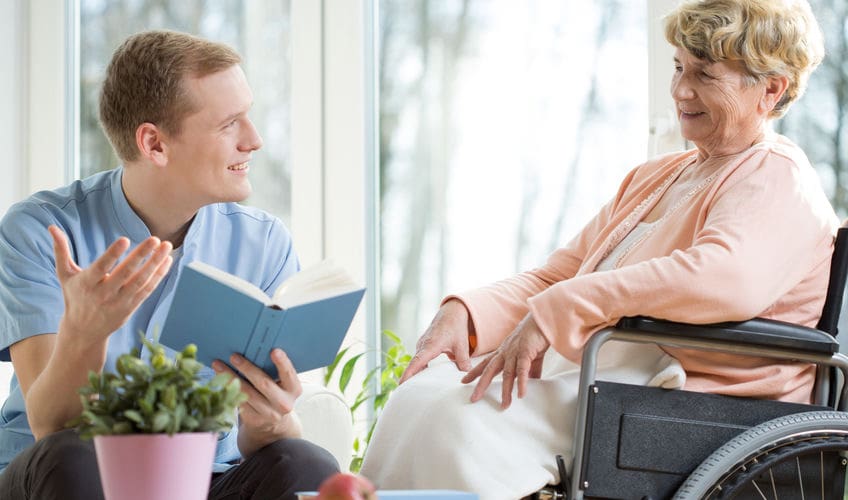
Nurturing the Golden Years: Comprehensive Guide to Elderly Care
September 7th, 2025aging in place, Caregiver Agency, Elderly Care, Homecare,
As we age, our needs evolve, and ensuring our elderly loved ones receive the care and support they need becomes paramount. At Polish Care Services, we are dedicated to providing exceptional care while enhancing the quality of life for seniors. This comprehensive guide will delve into key aspects of elderly care, discussing best practices, vital considerations, and innovative approaches to help families navigate this important journey.
Understanding the Scope of Elderly Care
Elderly care encompasses a myriad of services designed to assist older individuals in their daily lives. These services can range from basic assistance with daily activities to more specialized medical care. The goal is to provide a supportive environment that promotes independence, dignity, and quality of life.
Key Areas of Elderly Care:
Personal Care Assistance: This includes help with daily living activities such as bathing, dressing, grooming, and mobility.
Healthcare Management: Regular health check-ups, medication management, and coordination with healthcare providers ensure that seniors maintain their health.
Social Engagement: Activities that promote social interaction, such as community groups, outings, and hobbies, help combat loneliness and depression.
Nutrition and Meal Preparation: Providing balanced and nutritious meals is vital for seniors to maintain health and energy.
Safety and Fall Prevention: Creating a safe living environment by addressing potential hazards and implementing fall prevention strategies.
The Importance of Personalized Care Plans
Every individual is unique, and their care should reflect their specific needs, preferences, and lifestyle. Crafting a personalized care plan is crucial for effective elderly care.
Steps to Creating a Personalized Care Plan:
Assessment of Needs: Conduct a comprehensive assessment to identify physical, emotional, and social needs.
Involvement of the Senior: Engage the senior in developing their care plan to ensure it aligns with their preferences and values.
Family and Caregiver Input: Collaborate with family members and caregivers to create a well-rounded and effective plan.
Regular Review and Adjustments: Continuously evaluate the care plan to accommodate changing needs over time.
Promoting Independence and Dignity
Encouraging independence is a cornerstone of elderly care. It promotes self-esteem and confidence among seniors while allowing them to maintain control over their lives.
Strategies to Promote Independence:
Adaptive Aids: Provide assistive devices such as walkers, grab bars, and shower chairs to support mobility and daily activities.
Encouragement: Support seniors in their attempts to complete tasks independently, offering assistance only when needed.
Skills Development: Engage seniors in activities that help develop or maintain skills that enhance their independence, such as cooking or managing finances.
Nutrition: The Foundation of Healthy Aging
Proper nutrition plays a critical role in the health and well-being of seniors. A well-balanced diet supports physical health, boosts immunity, and enhances mental function.
Key Nutritional Tips for Seniors:
Focus on Nutrient-Dense Foods: Encourage seniors to include fruits, vegetables, whole grains, lean proteins, and healthy fats in their diet.
Stay Hydrated: Ensure seniors drink enough water throughout the day to prevent dehydration, which can lead to serious health issues.
Consider Special Dietary Needs: Be mindful of any food allergies, intolerances, or medical conditions requiring specific dietary restrictions.
Meal Planning: Assist with meal planning to introduce variety and ensure that nutritional needs are met.
The Role of Socialization in Elderly Care
Social interaction is vital for emotional well-being and overall health. Many seniors experience loneliness and isolation, which can have adverse effects on mental health.
Fostering Social Engagement:
Encourage Group Activities: Join clubs, classes, or workshops that foster socialization and skill development.
Regular Family Visits: Schedule family gatherings or visits to provide companionship and maintain strong family bonds.
Technology Use: Introduce seniors to technology that enables them to connect with friends and family virtually, such as video calls and social media.
Managing Healthcare Needs
Elderly individuals often have multiple healthcare needs that require careful management. Coordination between healthcare providers, caregivers, and family members is essential.
Best Practices for Healthcare Management:
Regular Check-Ups: Schedule routine visits with healthcare providers to monitor health and catch any potential issues early.
Medication Management: Use pill organizers or medication management apps to ensure medications are taken correctly and on time.
Keep Records: Maintain a detailed health record that includes medical history, current medications, and any recent diagnoses or treatments.
Advanced Care Planning: Discuss and document healthcare preferences and advance directives to ensure that seniors’ wishes are honored.
Safety Considerations for Seniors
Creating a safe living environment is a fundamental aspect of elderly care. Falls and accidents are common among seniors and can lead to severe injuries.
Tips for Enhancing Safety at Home:
Remove Clutter: Keep walkways clear of obstacles to reduce the risk of tripping.
Install Grab Bars: Place grab bars in bathrooms and other areas where seniors may need extra support.
Improve Lighting: Ensure that all areas of the home are well-lit to aid visibility, especially during nighttime.
Use Non-Slip Mats: Place non-slip mats in bathrooms and kitchens to prevent slip and fall accidents.
Emotional and Mental Well-Being
Mental health is as crucial as physical health in elderly care. Many seniors struggle with anxiety, depression, or cognitive decline as they age.
Promoting Mental Well-Being:
Engage in Mind-Boosting Activities: Encourage puzzles, games, reading, and other activities that stimulate cognitive function.
Create a Routine: Establishing a daily routine can provide structure and a sense of purpose.
Seek Professional Support: If mental health issues arise, consider consulting with a mental health professional experienced in geriatric care.
The Benefits of Respite Care for Caregivers
Caring for an elderly loved one can be rewarding but also physically and emotionally demanding. Respite care provides temporary relief for primary
caregivers, allowing them to recharge and focus on their well-being.
Understanding Respite Care:
– Short-Term Relief: Respite care offers caregivers a break by providing professional care for a limited time, whether it’s for a few hours, days, or weeks.
– Decreased Stress: Taking time off helps reduce caregiver burnout, which can impact the quality of care provided.
– Enhancing Relationships: Time away can improve the caregiver’s relationship with the elderly individual by allowing both parties to feel refreshed and reconnected.
– Flexibility: Respite care can be arranged on a regular schedule or as needed, offering flexibility to families struggling to balance caregiving with their personal lives.
Innovative Approaches to Elderly Care
As society evolves, so do the methods and technologies applied to elderly care. Embracing innovative solutions can drastically improve the way care is delivered.
Emerging Trends in Elderly Care:
- Telehealth Services: Telehealth has surged in popularity, allowing seniors to receive medical consultations and check-ups from the comfort of their homes.
- Wearable Technology: Devices that monitor health metrics (like heart rate, steps, and sleep patterns) can help caregivers track the health of elderly individuals and provide alerts for potential issues.
- Smart Home Technology: Home automation systems can help seniors manage daily activities and enhance security through voice-activated assistants and surveillance cameras.
- Virtual Reality: Some innovative programs use virtual reality to create immersive experiences that stimulate cognitive function and provide entertainment.
The Role of Community Resources
Navigating elderly care can sometimes feel overwhelming, but numerous community resources are available to assist families.
Types of Community Support:
– Senior Centers: Many local senior centers offer a range of activities, programs, and resources specifically designed for the elderly.
– Support Groups: Joining support groups for caregivers and families can provide emotional support and shared experiences that ease the caregiving journey.
– Transportation Services: Local programs often provide transportation for seniors who need assistance getting to appointments or social events.
– Educational Workshops: Community organizations may offer workshops focusing on aging, health management, and caregiving to equip families with essential knowledge.
The Impact of Faith and Culture
Faith and cultural beliefs can significantly influence the care provided to elderly individuals. Respecting these elements can create a more personalized and meaningful care experience.
Incorporating Faith and Culture into Elderly Care:
– Cultural Sensitivity: Understand and respect cultural preferences regarding health care, meal choices, and social interactions.
– Spiritual Support: If applicable, facilitate access to religious services or spiritual counseling that complements the emotional well-being of the elderly.
– Celebration of Traditions: Engage seniors in cultural traditions, language, and practices that enhance their sense of identity and belonging.
Transitioning to Assisted Living
For some elderly individuals, the transition to assisted living may be necessary when independent living is no longer safe. Understanding how to approach this change is crucial for families.
Steps for a Smooth Transition:
- Research Options: Explore various assisted living facilities, focusing on those that align with the specific needs and preferences of the elderly individual.
- Visit Facilities: Schedule visits to potential living spaces to assess the environment, amenities, and staff interactions.
- Involve the Senior: Engage the elderly individual in the decision-making process to ensure they feel comfortable with the change.
- Plan the Move: Create a comprehensive moving plan that includes organizing belongings, setting up the new space, and maintaining familiar items to make the transition smoother.
- Encourage Visits: Encourage family and friends to visit often during the transition to alleviate feelings of loneliness and maintain connections.
Conclusion
Elderly care is a multifaceted journey that requires a commitment to understanding the unique needs of older adults. By prioritizing personalized care, promoting independence, and fostering social connections, we can enhance the quality of life for seniors.
At Polish Care Services, we recognize that quality elderly care extends beyond medical assistance—it’s about providing emotional and social support, ensuring safety, and enriching lives. Our goal is to collaborate with families to create a nurturing environment where seniors can thrive.
Call to Action
If you’re seeking guidance or support for your elderly care needs, please contact Polish Care Services at polishcareservices.com. Together, we can create a personalized care plan that ensures your loved ones enjoy their golden years with dignity, respect, and joy!

Making Exercise Accessible When You Have a Hidden Disability
June 11th, 2024aging in place, Disability Care, Elderly Care, Senior Services,
Remaining physically active is important for everyone’s overall health and well-being, and it’s especially critical for people with disabilities. The thing is, it can be hard to find a fitness regimen that works when you have a hidden disability. Whether you’re looking for practical things for staying fit in your daily life or ways to establish a healthy morning routine, these tips from Polish Care Services can help you get started.
Seek Help from the Experts
Seeking out a chiropractor if you have a hidden disability can offer numerous benefits and be a potential resource for improved wellness. Chiropractic care focuses on the alignment of the spine and nervous system, which can improve overall body function and reduce pain. For those with hidden disabilities, such as chronic pain, fibromyalgia, or neurological disorders, chiropractic adjustments can enhance mobility, decrease discomfort, and promote a sense of well-being. Additionally, chiropractors often provide personalized treatment plans that address specific needs, offering a holistic approach to managing symptoms and improving quality of life. You can also seek non-medical assistance from the staff at Polish Care Services if there are disabilities that affect daily life and
Staying Fit in Daily Life
If going to the gym or joining a sports team is not a feasible or comfortable option for you, it doesn’t mean that exercise is out of the question. Cleveland Clinic suggests seeing how you can make your home more conducive to your fitness and health goals, whether that means creating a home gym, upgrading your kitchen, or planting a garden.
While it’s important that you know your limits, consider incorporating more movement into your daily routine, as well. Take the stairs more often, park your car further away from your destinations, run errands on foot whenever possible, and stand up and move around every hour if you have a sedentary job.
You could also try practicing yoga or doing chair exercises, which can help improve flexibility and mobility. Or you could take Fido your dog on more walks – just make sure you have a reliable harness to keep him (and others) safe!
Maintaining a Supportive Social Network
Having a good social network is important for anyone trying to establish a fitness routine. But when you have a hidden disability, it’s non-negotiable. Consider joining a sports team, online support group, or fitness class that caters to people with similar struggles. Fitbit notes that this can give you access to invaluable resources, advice, and companionship to aid your journey.
Having a hidden disability doesn’t have to limit your ability to exercise. Incorporate movement into your daily routine, put a morning routine in place, and surround yourself with supportive people. The key is to find what works best for you and your body and to challenge yourself (but not too much). Most importantly, remember to have fun and enjoy the process!
Polish Care Services provides high quality service, compassion and professionalism. Let us know if you have any questions!
Credit: June Duncan

Beyond Retirement: A Guide to Purposeful & Healthy Senior Living
March 5th, 2024aging in place, Elderly Care, Polish Care Services, Senior Living,
Starting over in a new city presents a blend of challenges and opportunities for a purposeful and healthy senior living, especially for senior citizens. It’s a phase that demands resilience but also paves the way for growth and new beginnings. With thoughtful preparation and a positive mindset, navigating this significant change can lead to a rewarding experience. This Polish Care Services guide offers strategic advice to ensure a smooth transition, empowering you to establish a vibrant and fulfilling life in your new locale.
Knowing the Area
Before you embark on your journey, it’s crucial to have a deep understanding of your future home. Evaluate the cost of living, healthcare facilities, recreational activities, and the proximity to family and friends. This groundwork will not only assist in making an informed decision on senior living but also in setting realistic expectations. By prioritizing what’s most crucial, you can find a place that aligns with your lifestyle and needs, ensuring a smoother adjustment to your new surroundings.
Finding Employment
For those looking to remain active in the workforce, securing employment beforehand offers financial stability and a sense of purpose. It connects you to the community and provides a routine, making the transition to a new environment less overwhelming.
Investigate job opportunities that cater to your skills and interests, and leverage professional networks to facilitate your job search. This proactive approach can significantly ease your integration into the city’s social and economic fabric.
Changing Your Lifestyle
Embarking on a fresh chapter of life frequently prompts a reevaluation of personal habits, especially regarding alcohol consumption. For individuals who have turned to alcohol as a coping mechanism, connecting with local rehabilitation centers is a crucial step toward a more healthful life.
Knowing how to seek recovery help is critical as you navigate through this new journey. Just be sure to research different facilities’ treatments, costs, and reviews before proceeding; some places offer free services if you have health insurance.
Getting More Social
Building a new social network is pivotal for feeling connected and supported in your senior living journey and lifestyle. Engage in clubs, groups, or organizations that reflect your interests, be it a book club, a gardening group, or a volunteer project. These platforms offer opportunities to meet like-minded individuals, fostering friendships and a sense of belonging. This social engagement is vital for emotional well-being, helping you to feel part of the community and reducing feelings of isolation.
Exploring the City
Immersing yourself in the city’s culture and environment is a delightful way to feel more at home. Take the time to explore different neighborhoods, visit landmarks, and enjoy local cuisine. This exploration not only acquaints you with the area but also allows you to discover new favorites and routines. It’s a fun and engaging way to connect with your new city, turning unfamiliar places into familiar haunts.
Connecting with Loved Ones
Maintaining relationships with family and friends is essential during this transition. Regular communication through calls, messages, and visits keeps you grounded and provides emotional support. These connections remind you of the continuity in your life, bridging the gap between your past and present. They play a critical role in your adaptation process, offering encouragement and a listening ear when you need it most.
Seeking New Experiences
Be open to new experiences and adventures that the city has to offer. Whether it’s participating in cultural events, starting a new hobby, or enrolling in classes, these activities enrich your life and expand your horizons. Stepping out of your comfort zone can lead to unexpected joys and learning, making your relocation not just a change of address but a journey of personal growth.
Staying Healthy and Well
Finally, remember the importance of self-care. Prioritize activities that nurture your physical, emotional, and mental health. Whether it’s through exercise, meditation, or enjoying nature, taking time for yourself is crucial. It ensures you remain energized and balanced, able to embrace and enjoy your new environment fully.
Conclusion
Relocating to a new city in your senior years is a significant milestone that offers a unique blend of challenges and opportunities. By approaching this transition with preparation, openness, and a focus on well-being, you can build a fulfilling life full of new experiences and connections.
This journey is not just about moving to a new place but about rediscovering yourself and what makes you thrive. Embrace the adventure with an open heart, and let your new city be the canvas for your next great chapter.
Credit: June Duncan

Healing Power of Meditation: Enhancing Well-being for the Elderly
January 15th, 2024aging in place, Elderly Care, Meditation, Polish Care Services,

Aging in Place: Transform Homes for Senior Services & Home Care
December 2nd, 2023aging in place, Home Care, Polish Care Services, Senior Services,
As the population continues to age, more and more seniors are expressing their desire to age in place – to remain in the comfort and familiarity of their homes as they grow older. However, to facilitate this, it is crucial to make homes more accessible and adaptable for the unique needs of seniors. By incorporating senior services and home care into the very design and modifications of their homes, we can create spaces that not only meet their current needs but also support their independence, safety, and overall well-being. In this blog, we will explore various strategies and modifications that can transform homes into accessible and senior-friendly environments, promoting comfortable and joyful aging in place.
Assessing Current Needs
To begin the process of making a home more accessible for seniors, a thorough assessment of their specific needs is essential. This can involve consulting with professionals, such as occupational therapists or geriatric care managers, who can provide valuable insights based on their expertise. Understanding the physical, cognitive, and emotional abilities of the seniors will help determine the areas that require modification for improved accessibility.
Ensure Safety and Mobility
Safety should be a top priority when adapting a home for aging in place. Installing sturdy handrails along staircases and in bathrooms, securing loose rugs, and eliminating tripping hazards should be initial steps. Widening doorways and hallways to accommodate mobility aids like walkers or wheelchairs is crucial. Installing non-slip flooring in high-risk areas, such as bathrooms, can significantly reduce the risk of falls. Additionally, well-placed and bright lighting throughout the house is essential for seniors with visual impairments.
Bedroom and Bathroom Modifications
Bedrooms and bathrooms are two areas that require careful consideration when adapting homes for seniors. Bedrooms can be modified by ensuring a comfortable mattress of appropriate height, installing grab bars near the bed, and arranging furniture to allow for unobstructed movement. Adequate lighting and strategically placed nightlights can further enhance safety.
Bathrooms pose specific challenges for seniors due to slippery surfaces and limited maneuverability. Installing grab bars near the toilet, shower, and bathtub can provide much-needed support. A walk-in shower or a seated shower with handheld fixtures can offer convenience and safety. Non-slip mats and contrasting colors to define edges are additional modifications that can make bathrooms safer.
Kitchen and Dining Area Modifications
The kitchen is often the heart of a home, and making it more accessible can empower seniors in their daily routines. Lowering countertops and cabinets, installing pull-out shelves and Lazy Susans, and replacing traditional knobs with lever-style handles can reduce strain and enhance accessibility. Installing appliances at appropriate heights and incorporating tactile markings on dials can also facilitate independent cooking.
In the dining area, potential modifications can include using chairs with armrests for stability, providing ergonomic utensils, and ensuring adequate lighting for ease of dining.
Technological Solutions
Advancements in technology offer exciting opportunities to enhance accessibility for seniors aging in place. Smart home technologies, such as voice-activated assistants and automated lighting systems, can make controlling various aspects of the home easier for seniors with mobility or cognitive challenges. Telehealth devices and wearable monitoring systems enable remote healthcare services, ensuring timely interventions in case of emergencies.
Conclusion
Creating homes that are more accessible for seniors is not only about physical modifications but also about promoting emotional well-being and independence. By incorporating senior services and home care into the very fabric of the home, we can empower seniors to live fulfilling lives in their cherished spaces. From assessing current needs to ensuring safety, mobility, and comfort, modifications such as widening doorways, installing grab bars, and incorporating technological solutions can significantly improve the quality of life for seniors aging in place. As society continues to recognize the importance of elderly individuals’ active participation, it is our responsibility to create inclusive environments that allow them to thrive gracefully. Let us embrace the concept of aging in place and strive to make every home a sanctuary where senior citizens can find solace, security, and lasting happiness.
Credit: Kasia Sutkowski for Polish Care Services Senior Services Division

Prevent Falls in the Elderly: 9 Tips for Safety and Independence
October 25th, 2023aging in place, Caregiver Service, Elderly Care, Polish Care Services,
Falls among the elderly can have devastating consequences, leading to serious injuries, reduced mobility, and a loss of independence. Fortunately, with proper awareness and a few preventive measures, falls can often be avoided. In this blog, we will explore nine vital strategies to help elderly individuals stay safe, maintain their health, and live an active, independent lifestyle.
- Keep homes clutter-free and well lit:
A primary cause of falls is tripping over objects scattered throughout the house. Clearing pathways of any loose rugs, cords, or furniture can significantly reduce this risk. Adequate lighting is crucial, especially in staircases, hallways, and frequently used areas. Consider installing automatic nightlights to help navigate safely during the night.
- Install grab bars and handrails:
Installing grab bars in bathrooms, along stairways, and near entryways provides the elderly with necessary support and stability. Reinforce existing handrails or install new ones to ensure a secure grip when using stairs or moving between rooms, thus minimizing the risk of falls.
- Promote regular exercise and physical activity:
Engaging in regular exercises tailored to the elderly’s abilities can significantly reduce the risk of falls. Such exercises can improve muscle strength, balance, and flexibility. Encourage activities like walking, yoga, and tai chi, which are known to improve balance and overall stability.
- Evaluate medication side effects:
Certain medications may cause dizziness, drowsiness, or impaired balance, increasing the risk of falls. Encourage the elderly to consult with their healthcare providers regularly to reassess medication side effects. It is important to follow the prescribed dosage and seek professional advice before making any changes.
- Encourage regular eye and foot care:
Diminishing eyesight and foot problems can contribute to fall incidents. Encourage elderly individuals to have regular eye exams to maintain good vision. Assist them in wearing appropriate, well-fitting footwear that provides necessary support and reduces the risk of trips and falls.
- Create a safe bathroom environment:
The bathroom is a common location for falls. Implementing simple modifications can significantly enhance safety. Consider installing non-slip mats, shower seats, and adjustable handheld showerheads. Use bathmats with suction grips and install a commode chair if needed.
- Review and adapt living spaces as needed:
Evaluate living spaces for potential hazards and adapt accordingly. This may include installing ramps or handrails for easier access, removing threshold barriers, or rearranging furniture to create clear pathways. The aim is to eliminate obstacles and ensure a safe and convenient living environment.
- Support regular health check-ups:
Regular health check-ups can help identify underlying medical conditions that may contribute to falls, such as osteoporosis, heart disease, or diabetes. Encourage elderly family members to keep their medical appointments and ensure they receive appropriate medical attention to mitigate potential fall risks.
- Promote the use of assistive devices:
Assistive devices, such as canes, walkers, or non-slip footwear, can offer an extra layer of stability and reduce the likelihood of falls. Encourage their regular use and ensure devices are properly fitted and adjusted individually to ensure maximum support and effectiveness.
Preventing falls among the elderly is essential for their overall safety, independence, and quality of life. By implementing these nine preventive strategies, we can create environments that support the elderly and minimize their risks. Encouraging regular exercise, decluttering living spaces, and making appropriate modifications can all contribute significantly to fall prevention. By taking these steps, we can empower our elderly loved ones to lead active, fulfilling lives while reducing the concern of falls and related injuries.
Polish Care Services provides flexibility in offering live in and hourly non-medical personal assistants or caregivers, as homemakers and companions, and provide live in and hourly services to help keep seniors and disabled safe in their homes. Contact us to learn how we can assist.
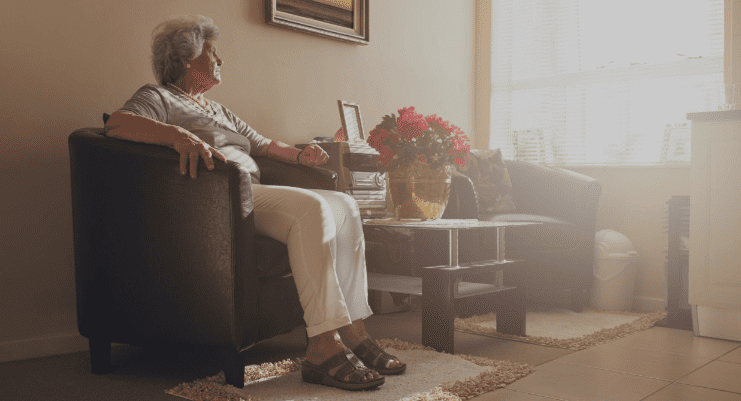
58 Ways To Keep Seniors Safe In Their Home
October 16th, 2023aging in place, Caregiver Service, Companion Caregiver, In Home Care, in home care assistance, Senior Care Services,
Many seniors prefer to live independently in their own homes for the comfort, satisfaction of familiarity and self-reliance; however, this can also pose some risks and challenges. To ensure their safety and comfort in their home, here are 58 ways that can help seniors stay safe in their homes:
– Install smoke detectors and carbon monoxide detectors on every floor and test them regularly.
– Keep a fire extinguisher in the kitchen and other areas where fires may occur.
– Avoid using candles, matches, or lighters near flammable materials or curtains.
– Replace frayed or damaged cords and plugs of electrical appliances and devices.
– Use surge protectors and avoid overloading outlets or extension cords.
– Turn off appliances and devices when not in use or before going to bed.
– Keep a flashlight and extra batteries in an accessible location in case of a power outage.
– Install grab bars and non-slip mats in the bathroom, especially near the bathtub, shower, and toilet.
– Use a shower chair or bench if standing for long periods is difficult or risky.
– Adjust the water heater temperature to prevent scalding or burns.
– Keep medications in their original containers and store them in a cool, dry, and secure place.
– Dispose of expired or unused medications properly and safely.
– Follow the instructions and dosages of your medications and supplements carefully and consult your doctor or pharmacist if you have any questions or concerns.
– Use a pill organizer or dispenser to help you remember when to take your medications and supplements.
– Keep a list of your medications, allergies, medical conditions, and emergency contacts in your wallet or purse and on your refrigerator door.
– Wear a medical alert bracelet or necklace if you have a chronic or serious condition that may require immediate attention.
– Keep a first aid kit stocked with bandages, antiseptics, pain relievers, and other essentials in an accessible location.
– Seek medical attention promptly if you experience any signs or symptoms of a stroke, heart attack, infection, or other serious condition.
– Schedule regular check-ups and screenings with your doctor and dentist and follow their recommendations for preventive care and treatment.
– Get vaccinated against seasonal flu, pneumonia, shingles, COVID-19, and other diseases that may affect seniors more severely.
– Eat a balanced and nutritious diet that meets your dietary needs and preferences.
– Drink plenty of water and fluids to stay hydrated and avoid dehydration.
– Limit your intake of alcohol, caffeine, salt, sugar, and processed foods that may affect your blood pressure, blood sugar, cholesterol, or weight.
– Take vitamin D and calcium supplements to support your bone health and prevent osteoporosis.
– Exercise regularly to maintain your strength, flexibility, balance, and endurance. Choose activities that you enjoy and are suitable for your fitness level and abilities.
– Consult your doctor before starting a new exercise program or changing your existing one.
– Warm up before exercising and cool down after exercising to prevent injuries or soreness.
– Wear appropriate clothing, footwear, and equipment when exercising.
– Avoid exercising outdoors when the weather is too hot, cold, humid, or polluted.
– Stay indoors or seek shade when the UV index is high to prevent sunburns or skin cancer.
– Wear sunscreen, sunglasses, hat, and protective clothing when exposed to the sun.
– Avoid smoking or exposure to secondhand smoke that may increase your risk of lung cancer, COPD, heart disease, stroke, and other conditions.
– Manage your stress levels by practicing relaxation techniques such as deep breathing, meditation, yoga, tai chi, or massage.
– Seek professional help if you experience any signs or symptoms of depression, anxiety, dementia, or other mental health issues.
– Stay socially connected with your family, friends, neighbors, community groups, clubs, or organizations that share your interests and hobbies.
– Use technology such as phone calls, video calls, emails, text messages, social media, or online platforms to communicate with your loved ones and access information and services.
– Learn new skills or pursue new hobbies that challenge your mind and keep you engaged and stimulated.
– Play games or do puzzles that improve your memory, concentration, logic, or creativity.
– Read books or magazines that expand your knowledge or entertain you.
– Watch movies or shows that make you laugh or inspire you.
– Listen to music or podcasts that soothe you or motivate you.
– Keep a journal or diary that helps you express your thoughts and feelings.
– Volunteer for a cause or organization that aligns with your values and passions.
– Adopt a pet or plant that provides you with companionship and responsibility.
– Review your finances and budget and plan for your future needs and goals.
– Seek advice from a financial planner, lawyer, or accountant if you need help with managing your money, assets, or taxes.
– Update your will and estate plan and inform your family or beneficiaries of your wishes.
– Review your insurance policies and coverage and make any changes or adjustments as needed.
– Declutter your home and belongings and donate, sell, or discard anything that you no longer need or use.
– Organize your home and belongings and label, store, or display them in a way that makes them easy to find and access.
– Make your home more accessible and comfortable by installing ramps, rails, lifts, or other devices that help you move around or reach things.
– Make your home more energy-efficient and eco-friendly by using LED bulbs, smart thermostats, solar panels, or other products that reduce your electricity consumption or carbon footprint.
– Make your home more secure and safe by installing locks, alarms, cameras, or other systems that deter intruders or alert you of any threats.
– Hire a professional or ask a friend or family member to help you with any home repairs, maintenance, or improvement projects that you cannot do yourself.
– Consider hiring a caregiver, housekeeper, gardener, chef, homemaker or companion or other service provider to help you with any personal care, household chores, or other tasks that you need assistance with.
– Consider using a delivery service, online shopping, or curbside pickup to order groceries, meals, medications, or other items that you need or want.
– Consider using public transportation, ride-sharing, or taxi services to get around if you do not drive or have a car.
– Consider joining a senior center, assisted living facility, or retirement community if you need more social interaction, support, or care.
This is an extensive list to ensure the safety of seniors in their home, some of which may have already been utilized however there are additions help to enhance the safety of our loved ones. Please call Polish Care Services for in home care assistance for seniors.
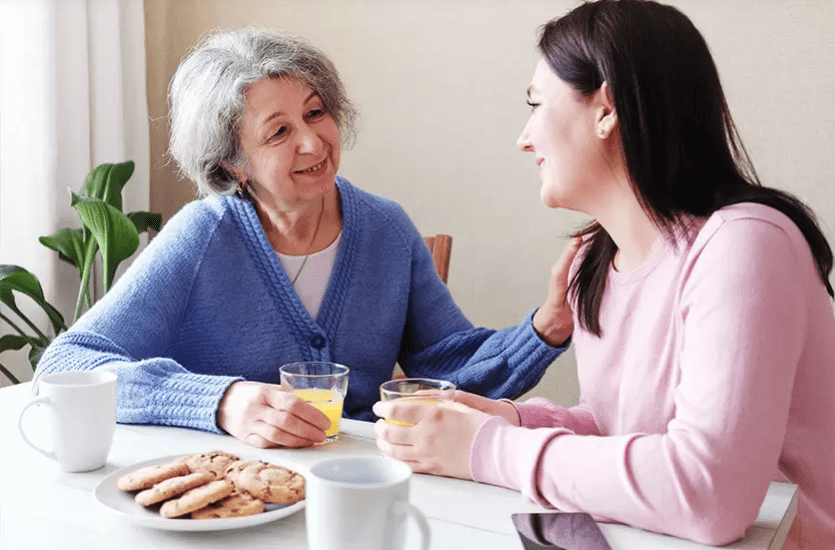
How to Help Your Elderly Parents Age in Place
August 9th, 2023aging in place, Companion Caregiver, Polish Care Services, Senior Care Services,

Many older adults prefer to stay in their own homes as they age, rather than move to a senior living facility or another location. This is known as age in place, and it can have many benefits for seniors, such as maintaining their independence, comfort, and familiarity. However, aging in place also comes with some challenges and risks, such as safety hazards, isolation, and health issues. If you have elderly parents who want to age in place, you may wonder how you can support them and ensure their well-being. Here are some tips and resources to help you help your parents age in place successfully and safely.
Assess their needs and abilities
The first step to helping your parents age in place is to assess their current and future needs and abilities. You can do this by observing how they perform their daily activities, such as bathing, dressing, cooking, cleaning, and managing their medications. You can also talk to their doctors about their health conditions and how they may affect their functioning and quality of life. Based on this assessment, you can identify the areas where your parents may need some assistance or modifications to continue living at home.
Make their home safe and accessible
One of the most important aspects of aging in place is making sure that your parents’ home is safe and accessible for them. This may involve some home modifications or repairs, such as installing grab bars, ramps, handrails, nonslip mats, smoke detectors, and emergency alert systems. You can also declutter their home and remove any tripping hazards, such as loose rugs, cords, or furniture. You can find more tips on how to make your home safe and accessible while aging in place here.
Hire professional caregivers or services
Depending on your parents’ needs and preferences, you may want to hire some professional caregivers or services to help them with some tasks or provide some companionship. For example, you can hire a personal service attendant to assist your parents with bathing, dressing, grooming, or toileting. You can also hire a home health nurse to provide medical care, such as wound care, injections, or blood pressure monitoring. You can also hire a homemaker to help with household chores, such as cleaning, laundry, or grocery shopping, a companion to be a friend, conversation and play games your loved one likes. You can also hire a meal delivery service to bring nutritious meals to your parents’ home.
Build a network of support
Another key factor for successful aging in place is having a strong network of support for your parents. This network can include family members, friends, neighbors, volunteers, or community organizations that can provide emotional, social, or practical support for your parents. For example, you can ask your relatives or friends to check on your parents regularly or help them with some errands. You can also encourage your parents to join a senior center or a faith group where they can socialize and participate in activities. You can also connect your parents with some resources and organizations that can offer them assistance or guidance on various issues related to aging in place. You can find more information on how to build a network of support for aging in place here.
Plan for the future
Finally, it is important to plan for the future as your parents age in place. This means having honest and respectful conversations with your parents about their wishes and expectations for their care and living arrangements as they get older. It also means preparing the necessary legal and financial documents that can protect your parents’ rights and interests in case they become incapacitated or pass away. These documents may include a will, a power of attorney, a health care proxy, an advance directive, and a living trust. You can find more information on how to plan for the future as you age in place here.
Aging in place can be a rewarding and fulfilling option for many seniors who want to stay in their own homes as they grow older. However, it also requires some planning and preparation to ensure that they are safe, comfortable, and happy. By following these tips and using these resources, you can help your elderly parents age in place successfully and safely.
Polish Care Services agency can help with assigning live in and hourly personal services attendant to assist with ensuring quality of life while your loved ones enjoy home. Please contact 860-255-8278 in Connecticut and 941-212-0310 in Florida to see how they can assist.
Credit: Vanessa Hoffman

AI Benefits for the Elderly and Disabled
June 15th, 2023aging in place, Alzheimer's Care, Caregiver Employment, Caregiver job, Caregiver Service, Companion Caregiver, Dementia Care, Elderly Care, Fall Activities for Seniors, Hire CNA, Hire HHA, Hire PCA, Home Healthcare, Homecare, House Cleaning, In Home Care, Long Term Care, Outdoor Activities for Seniors, Polish Care Services, Retirement Plans for Seniors, Senior Care Services, Spring Activities, Summer Activities for Seniors,
Although there is so much consternation and hype, Artificial Intelligence (AI) can benefit the elderly and disabled population in many ways. Some of the benefits include:
- Health monitoring and assistance through wearable devices and smart home systems: AI can be used to monitor the health of elderly individuals through wearable devices and smart home systems. These devices can track vital signs, such as heart rate and blood pressure, and alert caregivers or medical professionals if there are any concerning changes. Smart home systems can also be used to monitor the movements and activities of elderly individuals, providing an additional layer of safety and security.
- Medication management: AI can assist with medication management by providing reminders to take medications, tracking medication usage, and alerting caregivers or medical professionals if there are any missed doses or potential drug interactions.
- Social interaction and companionship: AI can provide social interaction and companionship to elderly individuals through virtual companions, such as chatbots or virtual assistants. These companions can engage in conversation, provide entertainment, and help alleviate feelings of loneliness and isolation.
- Cognitive stimulation and memory support: AI can provide cognitive stimulation and memory support to elderly individuals through games, puzzles, and other activities designed to exercise the brain and improve cognitive function. AI can also assist with memory support by providing reminders for important events or appointments.
- Daily living assistance: AI can assist with daily living tasks, such as meal preparation, housekeeping, and personal care. This can help elderly individuals maintain their independence and continue living in their own homes for longer.
- Increased independence: By providing assistance with daily living tasks, health monitoring, medication management, and other areas, AI can help elderly individuals maintain their independence and continue living in their own homes for longer.
- Lower healthcare costs, better transportation, and longer employment: AI can help lower healthcare costs by improving health monitoring and early detection of potential health issues. AI can also assist with transportation by providing ride-sharing services or autonomous vehicles designed for elderly individuals. Additionally, AI can help extend employment opportunities for elderly individuals by providing job-matching services or remote work opportunities.
- Virtual companions: As mentioned earlier, virtual companions such as chatbots or virtual assistants can provide social interaction and companionship to elderly individuals.
- Anti-aging research: AI can assist with anti-aging research by analyzing large amounts of data to identify potential treatments or preventative measures for age-related diseases.
- At-home health monitoring: As mentioned earlier, AI can assist with at-home health monitoring through wearable devices and smart home systems.
- Smart device-assisted daily living: Smart devices equipped with AI technology can assist with daily living tasks such as turning on lights, adjusting the thermostat, or locking doors.
- Smart device-assisted fall detection: Smart devices equipped with AI technology can detect if an elderly individual has fallen and alert caregivers or medical professionals.
- Improved quality of care: By providing assistance in areas such as health monitoring, medication management, daily living assistance, and more, AI can help improve the overall quality of care for elderly individuals.
AI is also helpful in intelligent tracking of biometric information to early diagnosis of diseases, understanding the treatment pathways, and helping clinicians to take care of elderly and disabled people and treat them more efficiently.
Polish Care Services team provides blogs and news articles that are not only informative and entertaining, but can enhance the wellbeing of seniors and disabled in Connecticut and Sarasota County in Florida
Credit: Bing AI, Google AI, Peter Powell