
The Benefits of Music for Seniors: How Rhythm, Memory, and Reminiscence Enrich Elderly Well-Being
February 20th, 2026Activities for Seniors, Caregiver Agency, Caregiver Service, caregiver support, Uncategorized,
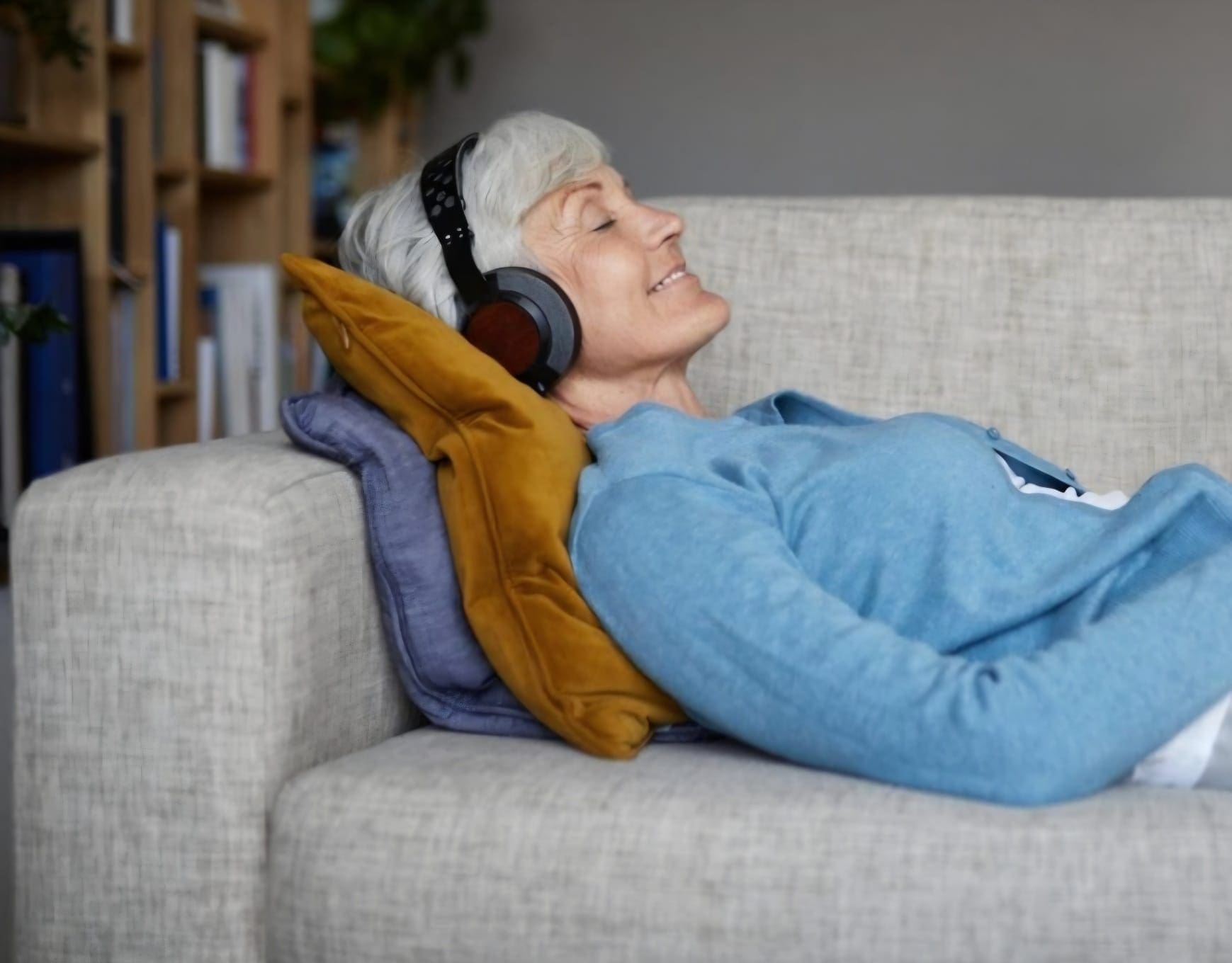
Music is one of the most powerful forms of human expression, transcending words, time, and even memory. For older adults—especially those living with Alzheimer’s or dementia—it can unlock memories, promote relaxation, and create powerful emotional connections.
Both music therapy and reminiscence therapy have become essential components of modern senior care strategies, helping caregivers improve engagement and overall well-being for their clients. Whether at home, in assisted living, or through senior home care services, music offers comfort and stimulation that strengthens emotional, cognitive, and physical health in seniors.
Music Awakens Memory Through Reminiscence Therapy
One of the most remarkable effects of music is its ability to reawaken dormant memories. For seniors experiencing dementia or Alzheimer’s disease, familiar songs often trigger vivid recollections and emotional responses when other forms of communication may seem to fade.
Reminiscence therapy for dementia uses these familiar sounds—along with photos, scents, or storytelling—to help older adults recall and share meaningful life experiences. Listening to music from childhood or early adulthood can:
– Stimulate long-term memory and mental clarity.
– Encourage verbal interaction and emotional expression.
– Strengthen feelings of identity and belonging.
For families and caregivers, incorporating favorite music into seniors and music therapy sessions can turn moments of confusion into moments of connection—reigniting recognition, joy, and calm within seconds of a tune beginning to play.
Music Reduces Stress and Elevates Emotional Health
Aging often brings stress, anxiety, or depression related to health challenges or loss of independence. Music can serve as a natural emotional release, lowering tension and creating a sense of tranquility.
Soft, rhythmic music reduces cortisol levels, relaxes breathing, and fosters feelings of safety—benefits especially vital for those with dementia. Quiet background melodies during daily routines or meals can:
– Minimize agitation or restlessness.
– Create a soothing care environment.
– Promote relaxation and better sleep patterns.
For caregivers, this musical approach can help reduce stress for both themselves and the clients they support. Gentle tunes can shift moods, ease communication, and create a shared moment of calm, all contributing to a healthier caregiving environment rooted in empathy and compassion.
Rhythm Encourages Movement and Physical Engagement
Music has the power to move both the mind and body. Even seniors with limited mobility often respond instinctively to rhythm—tapping a finger, clapping hands, or swaying in their chair. This subconscious motion supports circulation, motor control, and balance.
In home or community care settings, caregivers can introduce music-based activities such as:
– Chair dancing or rhythmic movement.
– Singing along while exercising arms and legs.
– Walking to the beat of slow, steady songs to improve coordination.
Physical activity paired with music doesn’t just strengthen the body—it reignites motivation and joy. Many seniors who struggle to stay active respond more positively to movement when music turns it into play rather than therapy.
Music Fosters Social Connection and Reduces Isolation
Loneliness and social withdrawal are common challenges for older adults, especially for those who live alone or experience reduced communication due to cognitive decline. Music, however, has an extraordinary ability to bring people together.
Group sing-alongs, community performances, or simply sharing a favorite song during a visit creates opportunities for companionship. In senior home care services or community centers, musical activities can:
– Build emotional connection between seniors and caregivers.
– Strengthen bonds among peers and family members.
– Encourage laughter and shared storytelling.
For dementia clients, even limited verbal ability can be replaced by musical communication—singing, humming, or tapping in rhythm. This nonverbal connection can express feelings that words no longer can.
Music Reinforces Identity and Purpose
As people age, they often face questions of identity, independence, and meaning. Familiar music has a way of reconnecting seniors to their sense of self. Old songs can remind them of who they were—parents, professionals, dancers, friends—and reignite the spark of purpose that drives emotional vitality.
From a caregiving perspective, respecting musical preferences is a powerful way to honor individuality. A person’s favorite genres often reflect their culture, upbringing, and personal history. By incorporating them into daily care routines, caregivers show respect for each senior’s identity while encouraging engagement through joy and nostalgia.
One example is a caregiver using a senior’s favorite hymn during morning routines or humming a childhood lullaby to bring calm during anxious moments. These small acts of musical connection foster trust, comfort, and companionship—core goals of quality caregiver support.
Music and Reminiscence as Cognitive Stimulation
Beyond emotional enrichment, seniors and music therapy also stimulate brain functions associated with memory, focus, and creativity. Studies have found that listening to or creating music engages both hemispheres of the brain, strengthening neural pathways that can slow cognitive decline.
When paired with reminiscence therapy for dementia, the impact multiplies. For example, caregivers may:
– Play a song from a client’s youth and ask gentle follow-up questions (“Do you remember where you used to hear this song?”).
– Encourage clients to hum along or recall lyrics.
– Create themed sessions around certain eras of music or cultural events.
These interactions go beyond memory recall—they support socialization, self-expression, and mental alertness. For those living with Alzheimer’s, even a few minutes of enriched engagement daily can sustain emotional stability and cognitive clarity.
Music Promotes Better Sleep and Relaxation
Many seniors experience disrupted sleep patterns, which can affect health and mood. Gentle music before bedtime helps regulate natural rhythms, promoting quality rest. Relaxing tunes such as classical, soft jazz, or nature-inspired sounds lower anxiety, ease breathing, and signal the brain that it’s time to wind down.
For those in home care, caregivers can make use of sleep playlists or calming routines that associate bedtime with soothing, comforting music. Over time, these rituals become powerful cues that encourage rest and peace.
Integrating Music into Everyday Care
The beauty of using music in senior care lies in its simplicity. You don’t need to be a music therapist to harness its benefits—just an attentive ear and a compassionate heart. Both professional and family caregivers can incorporate music seamlessly into daily routines.
Here are a few practical ways to start:
– Create personalized playlists: Focus on songs tied to positive memories, cultural roots, or favorite performers.
– Use music with intention: Upbeat songs for energy, soft melodies for calm, nostalgic tunes for reflection.
– Encourage participation: Tap along, sing, or dance—any level of physical or vocal engagement counts.
– Combine music with visuals: Pair songs with family photos or familiar scents for reminiscence therapy for dementia.
– Make it routine: Music during meals, showers, or bedtime helps establish comfort and consistency.
Consistency and personalization are key—when seniors feel emotionally connected to the music, they experience more lasting satisfaction and engagement.
Caregiver Support Through Music
Music doesn’t only benefit seniors—it also supports caregivers. Caring for an elderly loved one, especially someone with cognitive impairment, can be emotionally and physically demanding. Integrating music into care routines offers shared enjoyment that relieves tension and cultivates mutual empathy.
When caregivers use music to engage clients, they also improve their own emotional well-being. Shared laughter, singing, or simply seeing the joy on a senior’s face can restore patience, motivation, and hope. This harmony between caregiver and client enhances the caregiving relationship, making daily interactions more rewarding for both parties.
The Broader Impact: Creating Enriched Senior Care Environments
The power of music extends beyond individual sessions—it can transform entire care environments. Senior living communities, adult day programs, and in-home care agencies increasingly use structured seniors and music therapy sessions as part of comprehensive wellness programs.
Whether used for group activities or one-on-one care, music brings stimulation, comfort, and meaning. Combined with reminiscence therapy, it creates opportunities for seniors to feel connected—both to their memories and to the people around them.
As awareness grows of the mental health and quality-of-life benefits, caregivers and families alike are recognizing that music is not just recreational—it’s essential to holistic elderly well-being.
Final Thoughts: Keeping the Melody of Life Alive
Music is much more than background noise—it’s a bridge between the past and present, a rhythm that supports the heart, mind, and soul. For seniors, the benefits of music reach across physical health, emotional balance, and cognitive stimulation, helping them stay engaged and fulfilled.
When paired with reminiscence therapy for dementia, music becomes even more powerful—helping seniors rediscover joy, connection, and the comfort of familiar memories.
Whether you’re a family member, professional caregiver, or elder care specialist, consider making music a daily part of life for the seniors in your care. A single song can spark laughter, conversation, and peace—and sometimes, even a beautiful rediscovery of self.
If you provide or coordinate senior home care services- music is one of the simplest and most affordable ways to elevate the experience. Through compassion, creativity, and consistency, you can transform ordinary care into extraordinary moments of connection—proof that, at any age, life still dances to the beat of its own beautiful song.
Activities for the Elderly to Keep Healthy and Happy
October 10th, 2025Activities for Seniors, Activities for the elderly, Caregiver Agency, Caregiver Services, caregiver support, Elderly Care,
As we age, maintaining our physical and mental well-being becomes increasingly important. Engaging in regular activities not only keeps the elderly fit but also enhances their overall happiness. This article provides an assortment of enjoyable and beneficial activities tailored for older adults. We’ll explore various forms of exercise, social engagement, and hobbies that can contribute to a healthy and fulfilling lifestyle.
- Physical Activities
Walking and Hiking
One of the simplest yet most effective activities for seniors is walking. It’s a low-impact exercise that can be done almost anywhere—be it outdoors in a park or indoors at a mall. Regular walking helps improve cardiovascular health, enhances mobility, and elevates mood. For those who enjoy nature, hiking can be a wonderful option. It combines exercise with the tranquility of the great outdoors, adding an element of adventure and exploration.
Yoga and Tai Chi
Both yoga and tai chi are excellent options for elderly individuals seeking to improve flexibility, balance, and strength. These gentle forms of exercise are low-impact yet highly beneficial, aiding in coordination, reducing stress, and enhancing mental clarity. Many community centers and local gyms offer classes specifically designed for seniors, making it easier than ever to get started.
Strength Training
Incorporating strength training into a weekly routine is crucial for maintaining muscle mass and bone density. Many seniors might feel intimidated by weightlifting, but there are safe ways to strength train without heavy equipment. Resistance bands and light weights are great for improving strength, and chair exercises can make these activities accessible for those with limited mobility.
- Social Activities
Group Classes and Clubs
Social interaction is vital for emotional well-being, especially for the elderly. Participating in group classes—such as art, cooking, or dance—can help foster new friendships and combat loneliness. Many communities have clubs or organizations designed for seniors, providing opportunities for bonding over shared interests. Whether it’s a book club or a chess team, engaging in these activities can make a significant difference in mental and emotional health.
Volunteering
Giving back to the community can instill a sense of purpose and fulfillment in seniors. Volunteering allows elderly individuals to share their skills and knowledge while connecting with others. Whether it’s helping at a local food bank, offering tutoring services, or participating in community events, volunteering can help seniors feel actively involved in society and valued.
- Cognitive Activities
Puzzles and Games
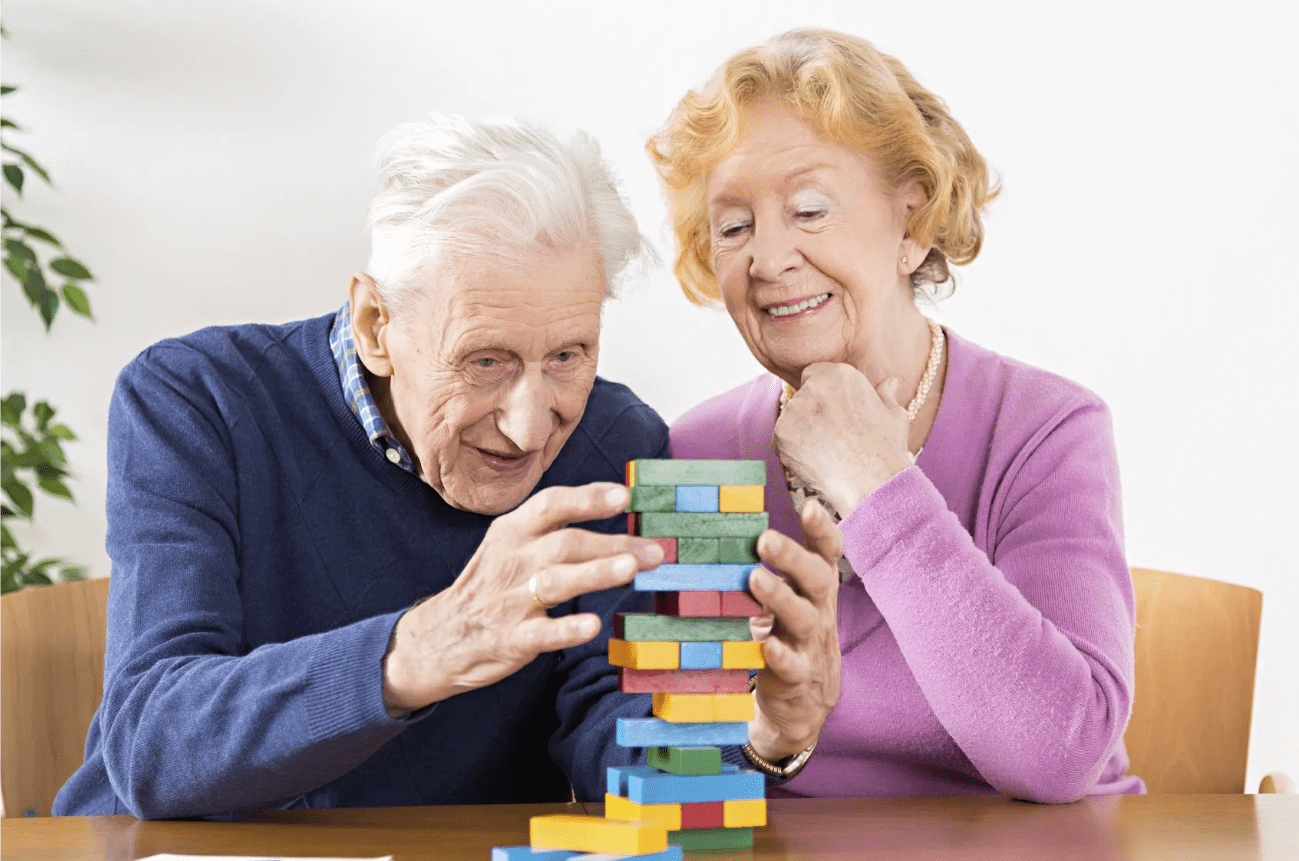
Keeping the brain active is just as important as maintaining physical health. Engaging in puzzles, crosswords, and brain games can stimulate mental activity and improve cognitive functions. Board games and card games also offer a fun way to challenge the mind while providing social interaction. Many seniors find that participating in these activities sparks joy and can even enhance memory skills.
Learning New Skills
Learning doesn’t stop in old age; in fact, it can be a delightful pursuit! Seniors can take classes to learn new skills—like painting, playing a musical instrument, or even learning a new language. Many community colleges offer courses specifically designed for older adults. Challenging the brain with new skills can boost self-esteem and keep the mind sharp.
- Creative Activities
Arts and Crafts
Engaging in creative activities can be incredibly therapeutic for seniors. Arts and crafts are excellent for self-expression and can bring about feelings of accomplishment. Activities such as painting, knitting, or scrapbooking allow for creativity while also fine-tuning motor skills and hand-eye coordination. Community art classes are often available and can serve as a wonderful platform for socializing.
Gardening
Gardening is an enjoyable activity that can provide both physical exercise and mental enjoyment. Tending to plants can be very rewarding as it allows individuals to see the results of their efforts. Whether it’s planting flowers, growing vegetables, or maintaining a small herb garden, the act of gardening encourages physical activity, nurtures creativity, and can even lead to healthier eating habits.
- Mindfulness and Relaxation
Meditation and Mindfulness Practices
Incorporating mindfulness practices such as meditation can help seniors manage stress and anxiety. Setting aside time each day for mindfulness exercises, such as deep breathing or guided meditation, can significantly improve one’s mood and mental clarity. These practices promote emotional well-being and can enhance overall quality of life.
Music Therapy
Listening to music, playing an instrument, or participating in group singing can have therapeutic benefits for seniors. Music therapy has been shown to improve mood, reduce feelings of depression, and enhance cognitive function. Many nursing homes and assisted living facilities offer music programs, but seniors can also enjoy music in the comfort of their homes by creating playlists of their favorite songs.
- Balanced Nutrition
Cooking Classes
Nutrition plays a crucial role in maintaining health. Cooking classes tailored for seniors can provide knowledge about balanced diets and healthy meal preparation. Learning to cook nutritious meals can empower seniors to take control of their dietary choices, ultimately enhancing their overall well-being. Many organizations offer classes focusing on easy, healthy recipes that cater to the unique dietary needs of older adults.
Community Gardens
Participating in a community garden can be a fantastic way for seniors to learn about nutrition while engaging in physical activity. Community gardens not only promote healthy eating but also encourage social interactions among participants. Working together to grow fresh produce can create a strong sense of community and provide healthy food options for seniors.
Conclusion
Engaging in various activities is essential for elderly individuals to maintain their health and happiness. From physical exercises like walking and yoga to social interactions through group classes and volunteering, there are countless opportunities for seniors to stay active and fulfilled. Cognitive activities such as puzzles and learning new skills can keep their minds sharp, while creative outlets like arts and gardening allow for personal expression and joy.
Emphasizing mindfulness, nutrition, and social engagement can lead to a balanced lifestyle that promotes both physical well-being and emotional satisfaction. As seniors explore these activities, they’ll find not only improvements in their health but also an enriched quality of life. Ultimately, encouraging an active and fulfilling lifestyle will help elderly individuals thrive, fostering their health and happiness for years to come.
By incorporating these activities into their daily routines, elderly individuals can significantly enhance their overall well-being, ensuring they lead healthy, happy, and enriched lives. Embracing a variety of pursuits not only supports physical health but also nurtures social connections and stimulates mental engagement, paving the way for a vibrant and fulfilling lifestyle. As they explore and enjoy these activities, seniors can truly experience the joy of living actively and purposefully.
Credit Dane Michele for Polish Care Services a Caregiver agency for the elderly
Embracing Autumn: Engaging Fall Activities for Seniors
September 21st, 2025Activities for Seniors, Fall Activities for Seniors, Polish Care Services,
As the leaves turn vibrant shades of orange, red, and gold, fall presents a unique opportunity for seniors to engage in a variety of enjoyable activities that can promote their physical, mental, and emotional well-being. At Polish Care Services, we understand the importance of keeping our elderly loved ones active and enriched. This article will explore a range of fall activities designed specifically for seniors, emphasizing social interaction, physical activity, and creative expression.
- Nature Walks and Scenic Drives
Appreciate the Beauty of Fall Foliage
One of the simplest yet most enjoyable activities for seniors during the fall is taking leisurely nature walks or scenic drives. Visiting local parks or nature reserves during this season allows seniors to experience the breathtaking beauty of fall foliage.
Benefits:
Physical Exercise: Walking promotes cardiovascular health and keeps joints flexible.
Connection with Nature: Exposure to nature can improve mood and mental health.
Social Interaction: Invite family members or friends to join; this promotes socialization and strengthens bonds.
- Pumpkin Carving and Decorating
A Fun Craft for Everyone
Engaging in pumpkin carving or decorating can be a delightful way for seniors to express their creativity. Whether they choose a traditional jack-o’-lantern or opt for a more artistic design, this activity can spark joy and nostalgia.
Benefits:
Fine Motor Skills: Carving pumpkins helps maintain dexterity.
Creativity: It allows seniors to unleash their artistic side.
Family Fun: This can be a wonderful family event, bringing generations together.
- Seasonal Cooking and Baking
Savoring Fall Flavors
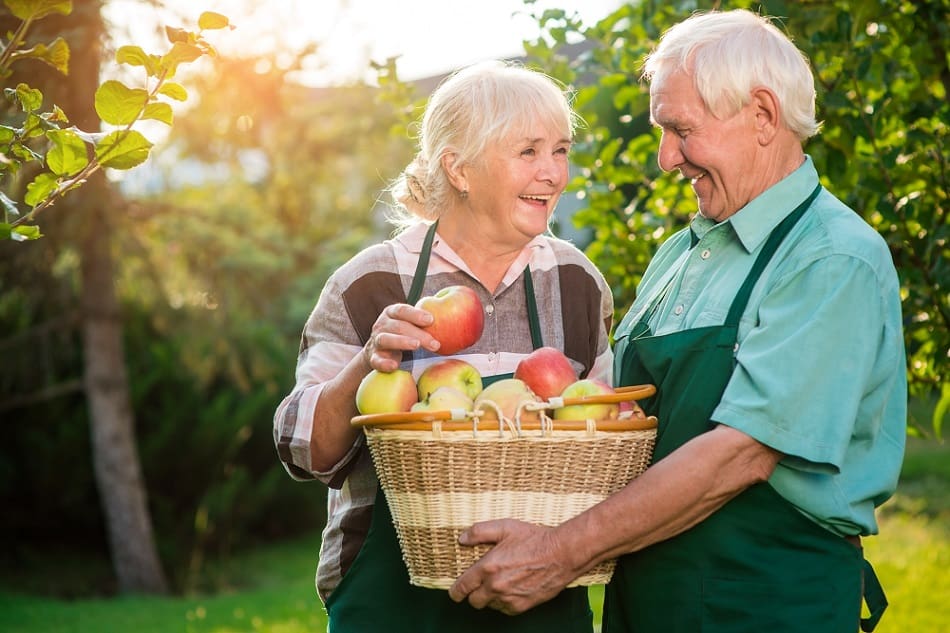
Fall is the perfect time to engage seniors in cooking and baking seasonal recipes. Incorporating ingredients like apples, pumpkins, and spices can make for delicious meals and treats.
Activities to Consider:
Baking pies or cookies to share with family.
Crafting hearty soups with fall vegetables.
Hosting a potluck where everyone contributes a favorite fall dish.
Benefits:
Nutritional Value: Cooking with fresh, seasonal produce promotes healthy eating.
Cognitive Engagement: Following recipes encourages mental stimulation and memory retention.
Social Interaction: Cooking together can foster cooperation and enjoyable conversations.
- Crafting Autumn Decor
Creating Unique Home Decor
Seniors can engage in various craft projects to create beautiful fall decorations for their homes. This could include making wreaths, centerpieces, or garlands using natural materials.
Popular Craft Ideas:
Leaf rubbing art using crayons and paper.
Creating a thankful tree using branches and colorful paper leaves.
Crafting decorations from acorns and pine cones.
Benefits:
Mental Stimulation: Crafting keeps the mind active and focused.
Sense of Accomplishment: Completing a project provides a sense of achievement.
Personal Expression: Crafting allows for self-expression and creativity.
- Book Clubs and Storytelling
Exploring Stories in Autumn’s Embrace
Gathering for book clubs or storytelling sessions can be a wonderful way for seniors to bond over literature or personal stories. This activity can also be enhanced by selecting stories that revolve around fall themes or nostalgia.
Benefits:
Mental Engagement: Reading or listening to stories keeps the brain active.
Social Interaction: Sharing stories encourages conversation and connection.
Emotional Reflection: Reflecting on personal experiences can foster emotional well-being.
- Gardening and Yard Work
Connecting with Nature through Gardening
Fall is an excellent time for seniors to engage in gardening activities. Whether it’s planting fall flowers or harvesting seasonal vegetables, gardening is a rewarding pastime.
Suggestions:
Planting bulbs for spring blooms.
Harvesting fruits and vegetables from summer gardens.
Creating a compost pile from autumn leaves and yard waste.
Benefits:
Physical Activity: Gardening involves bending, stretching, and lifting.
Sense of Purpose: Caring for plants gives seniors a sense of responsibility.
Fresh Air: Spending time outdoors has a calming effect and improves mood.
- Seasonal Movie Nights
Cozy Evenings with Classic Films
Movie nights provide a great opportunity for relaxation and socialization. Seniors can gather for themed movie nights featuring fall classics or holiday-themed films.
Ideas for Movie Nights:
Choose heartwarming films set in the fall.
Host discussions about the movies afterward.
Prepare popcorn and fall-themed snacks for a cozy atmosphere.
Benefits:
Entertainment: Offers a fun and relaxing activity for seniors.
Social Interaction: Encourages sharing opinions and feelings about the films.
Cognitive Engagement: Discussing plot points enhances memory and comprehension.
- Local Community Events
Engaging with the Community
Many communities host fall festivals, farmers’ markets, or cultural events that can be enjoyable for seniors. Participating in these events fosters a sense of community and belonging.
Activities to Consider:
Visiting local craft fairs or art shows.
Attending harvest festivals with live music and food.
Volunteering for community service events.
Benefits:
Social Interaction: Meeting new people and engaging with the community enhances social life.
Cultural Enrichment: Exposure to arts, culture, and local traditions enriches experiences.
Physical Activity: Attending events often involves walking and standing, providing light exercise.
- Exercise and Fitness Classes
Staying Active and Healthy
As the weather cools, seniors can benefit from joining exercise classes designed for their age group. Many local community centers offer classes such as yoga, tai chi, or water aerobics.
Benefits:
Physical Health: Regular exercise helps maintain strength, balance, and flexibility.
Mental Well-being: Physical activity releases endorphins, improving mood and reducing anxiety.
Social Connection: Group classes provide opportunities to meet new friends and form bonds.
- Poetry and Music Sharing
The Magic of Words and Melodies
Encouraging seniors to share their favorite poems or songs can be a heartwarming activity during the fall. Organizing a poetry reading or a music sharing session can create a lovely atmosphere for reminiscing and bonding.
Activities to Consider:
– Hosting a poetry night where seniors read their favorite poems or share their own.
– Creating playlists of fall-themed songs for group sing-alongs.
– Encouraging storytelling through music, discussing the memories connected to certain songs.
Benefits:
– Emotional Expression: Sharing poems and music fosters vulnerability and connection.
– Cognitive Engagement: Discussing themes and lyrics encourages critical thinking.
– Social Interaction: Engaging with others fosters a sense of community and belonging.
Conclusion
As we embrace the beauty of fall, it is essential to create meaningful experiences for seniors. The activities mentioned above not only boost physical health but also enhance mental well-being and emotional fulfillment. At Polish Care Services, we believe that keeping seniors engaged and active is vital for a happy and healthy life. By providing opportunities for connection, creativity, and enjoyment, we can help our elderly loved ones make the most of this beautiful season.
Call to Action
If you are looking for more ways to support seniors in your life, feel free to reach out to Polish Care Services at polishcareservices.com. Let us help you create a loving and engaging environment for your loved ones this fall. Together, we can make this season one of joy, connection, and cherished memories!
Credit: Janice Wolfson for Polish Care Services A Caregiver Agency for Seniors