
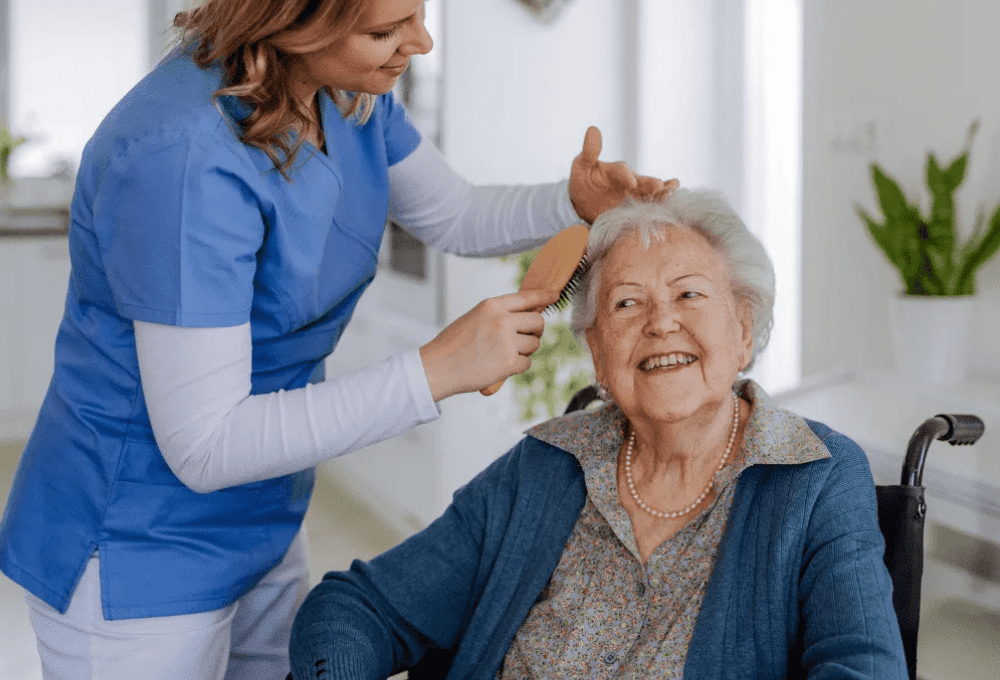
Elderly Care: A Guide to Aging at Home
January 11th, 2026aging in place, Caregiver Agency, Elderly Care At Home,
Caring for an aging parent or loved one at home can be both deeply rewarding and emotionally overwhelming. Families across Connecticut and Florida often want to honor a senior’s wish to remain in familiar surroundings, but they need practical strategies and reliable support to make that possible in a safe and sustainable way. This guide walks through the core elements of elderly care at home so families can build a thoughtful plan that balances independence, safety, and dignity.
At-home senior care is not just about preventing problems; it is about creating a daily environment that supports physical health, emotional well‑being, and social connection. With the right mix of family involvement and professional homecare support, many older adults can comfortably age in place rather than move into institutional settings.
What elderly care at home really involves
Elderly care at home covers a wide spectrum of practical and emotional tasks that help seniors stay safe and comfortable while remaining in their own homes. It may begin with a few hours a week of help with chores or meal preparation and gradually grow into more comprehensive support with personal care and mobility assistance.
Common elements of elderly care at home include:
– Assistance with activities of daily living (ADLs) such as bathing, dressing, grooming, and toileting.
– Help with instrumental activities of daily living (IADLs) like light housekeeping, laundry, shopping, and meal planning.
– Medication reminders, appointment coordination, and basic wellness monitoring to catch changes early.
In Connecticut and Florida, many families turn to non medical home care providers when they see a loved one struggling with routine tasks or becoming more isolated. A trained caregiver can offer both practical help and compassionate companionship that family members may not be able to provide consistently because of work, distance, or other responsibilities.
Why aging in place matters to seniors
Most seniors strongly prefer to remain in their own homes as they age, surrounded by familiar routines, neighbors, and memories. This preference—often called aging in place—supports a sense of identity and control, which can be especially meaningful when health issues or mobility changes start to limit other aspects of life.
Remaining at home can promote:
– Emotional comfort by preserving cherished belongings, photos, and daily habits.
– Social continuity with neighbors, faith communities, and local services seniors already know.
– Greater flexibility in tailoring care, from a few hours per week to live in caregiver services for those who need 24/7 support.
However, successful aging in place requires planning, honest conversations, and sometimes professional help. Without a plan, families may find themselves reacting in crisis instead of proactively managing changing needs.
Building a safe home environment for seniors
Before adding more care hours, it helps to evaluate the home itself for potential risks. Many preventable injuries in older adults are related to trips, slips, and poor lighting. A room‑by‑room safety check can dramatically reduce fall risk and increase confidence for seniors and families
Key home safety steps include:
– Removing loose rugs and clutter from walkways to make it easier to use canes, walkers, or wheelchairs.
– Adding grab bars in bathrooms, non‑slip mats in tubs or showers, and nightlights in hallways and bedrooms.
– Ensuring stairways have sturdy handrails, good lighting, and clearly marked edges.
In some cases, simple equipment like raised toilet seats, shower chairs, or bed rails can make daily routines more manageable. A senior home care services provider can often help families identify hazards and suggest practical improvements during an in‑home assessment.
Supporting daily routines and independence
Consistent daily routines help seniors feel grounded and reduce anxiety, especially when memory or mobility changes are present. A structured day does not need to be rigid, but it should include regular times for meals, medications, rest, social interaction, and light activity that fits the person’s capabilities.
Caregivers can support independence by:
– Encouraging seniors to do as much as safely possible for themselves, even if it takes a bit longer.
– Prompting without taking over, such as laying out clothing or preparing items for grooming while allowing the senior to complete tasks.
– Incorporating meaningful activities—like reading, simple hobbies, or phone calls with family—into the daily schedule.
The goal is to preserve abilities, not to rush through tasks. When seniors feel respected and involved in decisions, they are more likely to accept help and stick with healthy routines.
The emotional side of elderly care at home
Elderly care is as much about emotional and social support as it is about physical assistance. Loneliness and isolation can increase the risk of depression, cognitive decline, and even physical illness in older adults. Regular senior companionship services can be a powerful antidote by providing conversation, shared activities, and a reliable presence.
Families in Connecticut and Florida often notice that a loved one “brightens up” when a familiar caregiver arrives. Over time, caregivers may become trusted companions who:
– Listen to stories, share meals, and celebrate milestones and holidays.
– Encourage light exercise, walks, or safe outings when appropriate.
– Watch for subtle changes in mood or behavior that may signal health concerns.
This relational dimension is one reason many families choose homemaker companion agency support instead of relying solely on quick task‑based visits. The right match between caregiver and client can significantly improve quality of life for both seniors and their families.
Hourly care vs live-in care
Not every senior needs the same level of support, so understanding the difference between hourly and live‑in care can help families choose the right fit. Hourly care can be ideal for those who are mostly independent but need help with specific tasks or times of day, while live‑in care provides continuous coverage for seniors who cannot safely remain alone.
– Hourly senior care may include a few hours in the morning for bathing, breakfast, and light housekeeping help with lunch and medication reminders in the afternoon, or evening support with dinner and bedtime routines.
– Live in caregiver services offer near‑constant presence for seniors with significant mobility limitations, cognitive changes, or high fall risk, providing support and companionship throughout the day and night.
The right approach often changes over time. Families might start with hourly support and transition to expanded schedules as needs grow, rather than making a sudden move to facility care.
When to bring in professional help
It can be hard to know when to move from informal family help to professional elderly care at home. Certain signs suggest it is time to explore formal support so that both seniors and caregivers remain safe and healthy.
Consider contacting a home care agency when:
– A loved one is missing medications, falling more often, or struggling with personal care.
– Family caregivers feel overwhelmed, burned out, or unable to balance work and caregiving.
– There are early signs of memory loss, confusion, or safety issues such as leaving the stove on.
Professional caregivers can complement—not replace—family involvement. Family members can continue to manage finances, medical decisions, or special visits while relying on trained caregivers for day‑to‑day support.
How Polish Care Services supports elderly care at home
Families in Connecticut and Florida can partner with Polish Care Services for flexible, compassionate support ranging from a few hours, overnight services, 24 hour care service, a week to full live in caregiver arrangements. Services typically include personal care, companionship, light housekeeping, transportation, and help with everyday routines, all tailored to the individual’s needs and preferences.
A local agency can:
– Conduct an in‑home assessment to understand safety risks, daily challenges, and goals.
– Match seniors with carefully screened caregivers who fit their personality, language, and cultural preferences when possible.
– Adjust care plans over time as needs change, ensuring that seniors continue to receive the right mix of independence and assistance.
By combining family involvement, a safe home environment, and professional senior home care services, many older adults can enjoy their golden years in the comfort of home while staying as independent and engaged as possible.
Credit Michelin Wright for Polish Care Services a Caregiver Agency for seniors and the disabled.